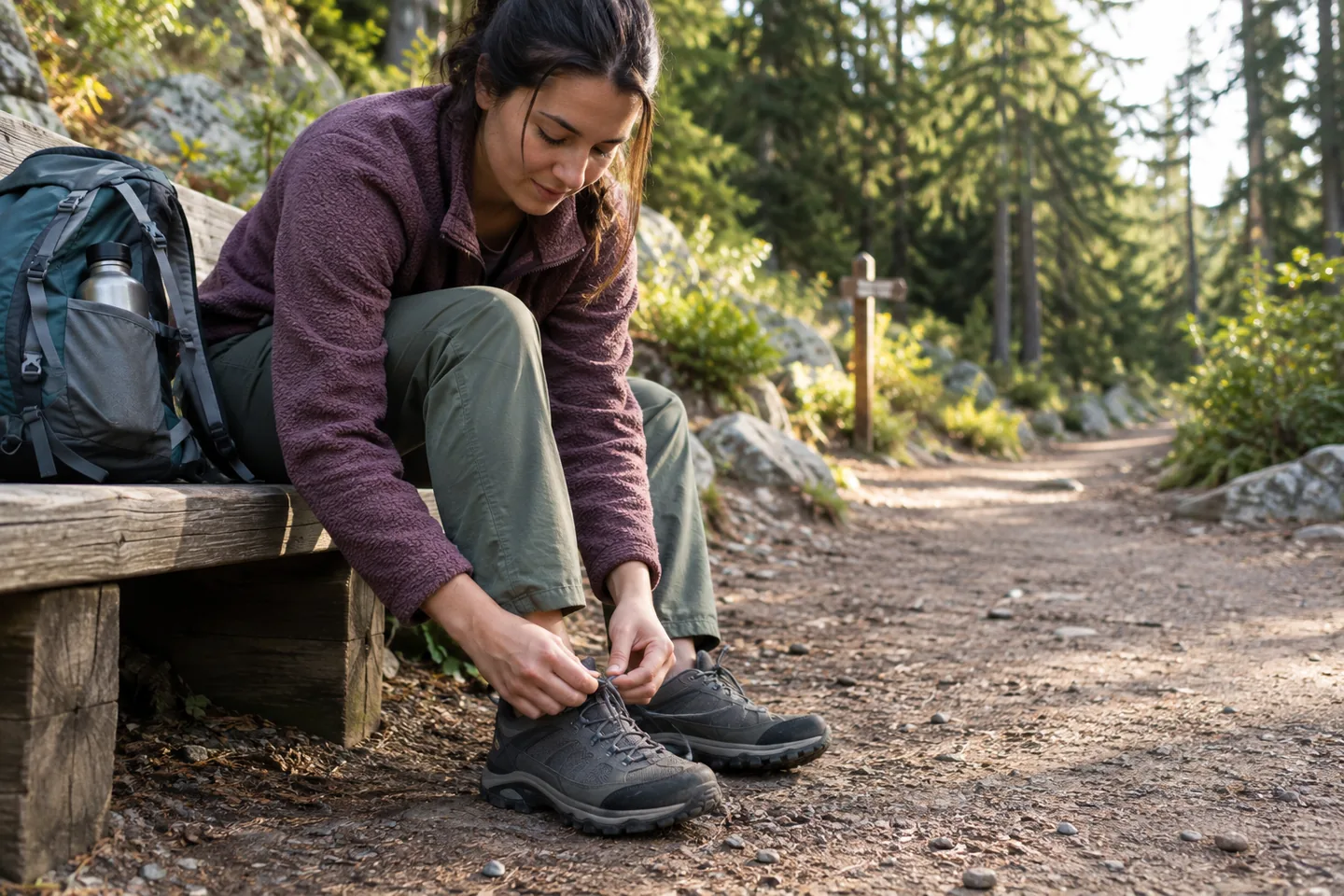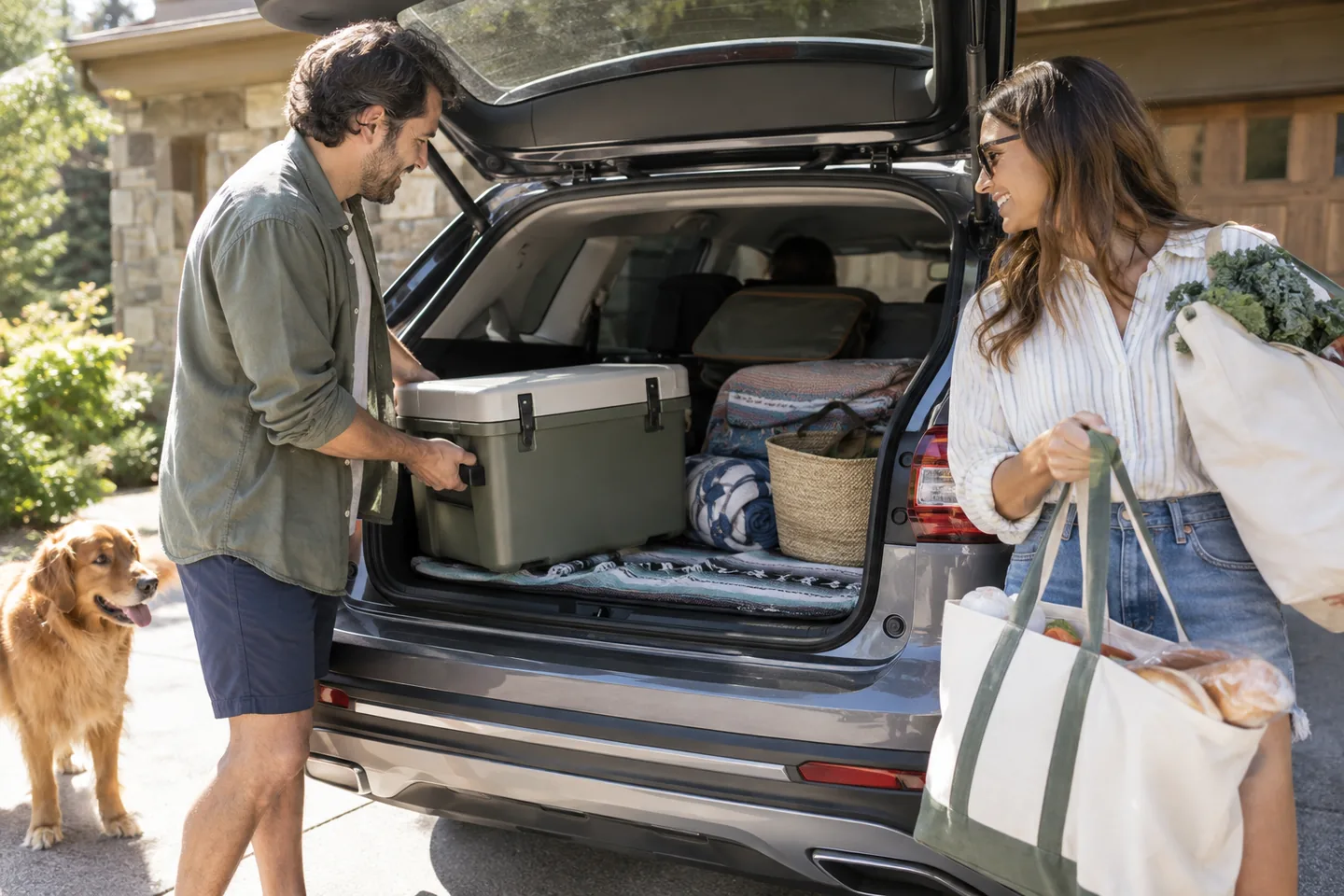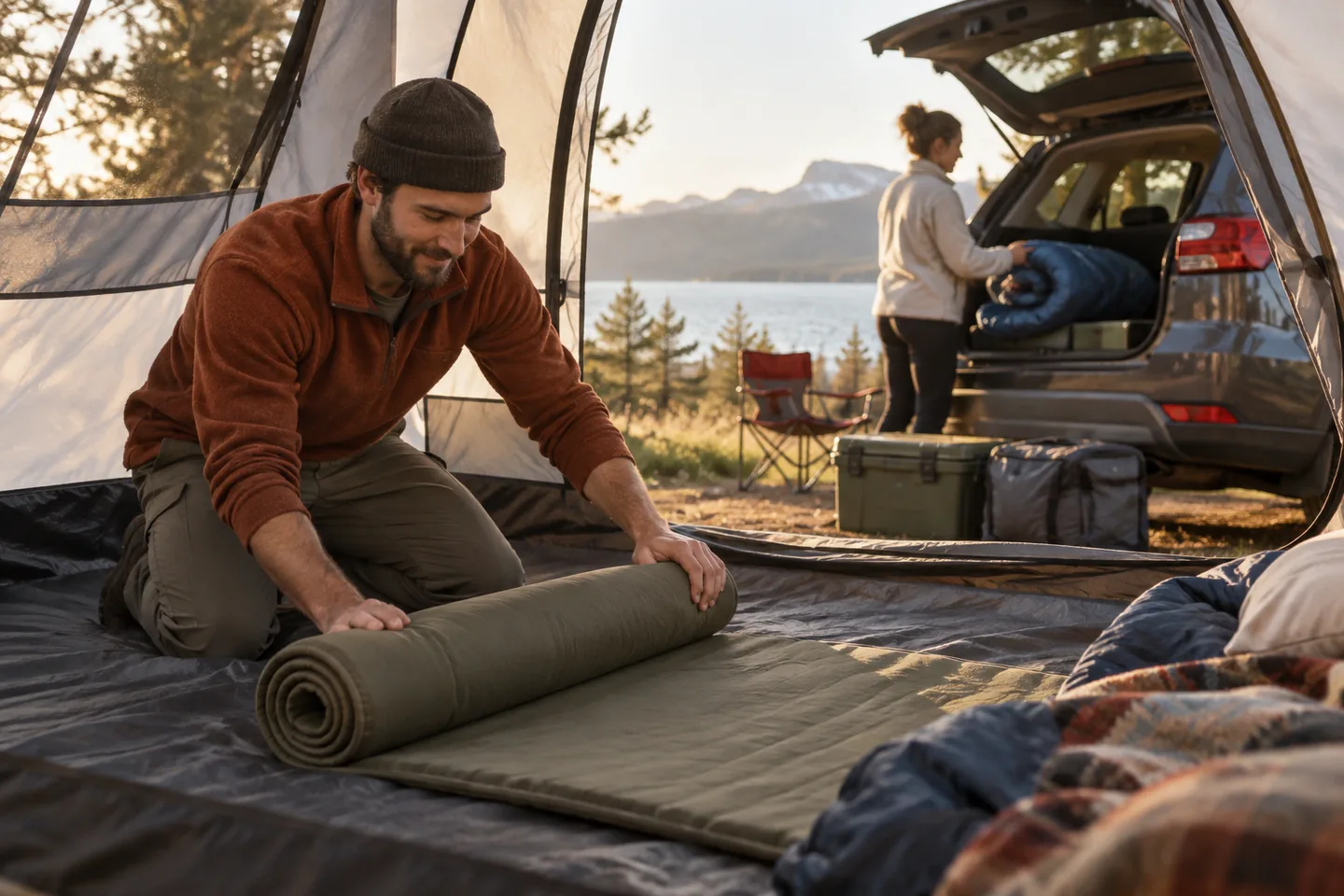
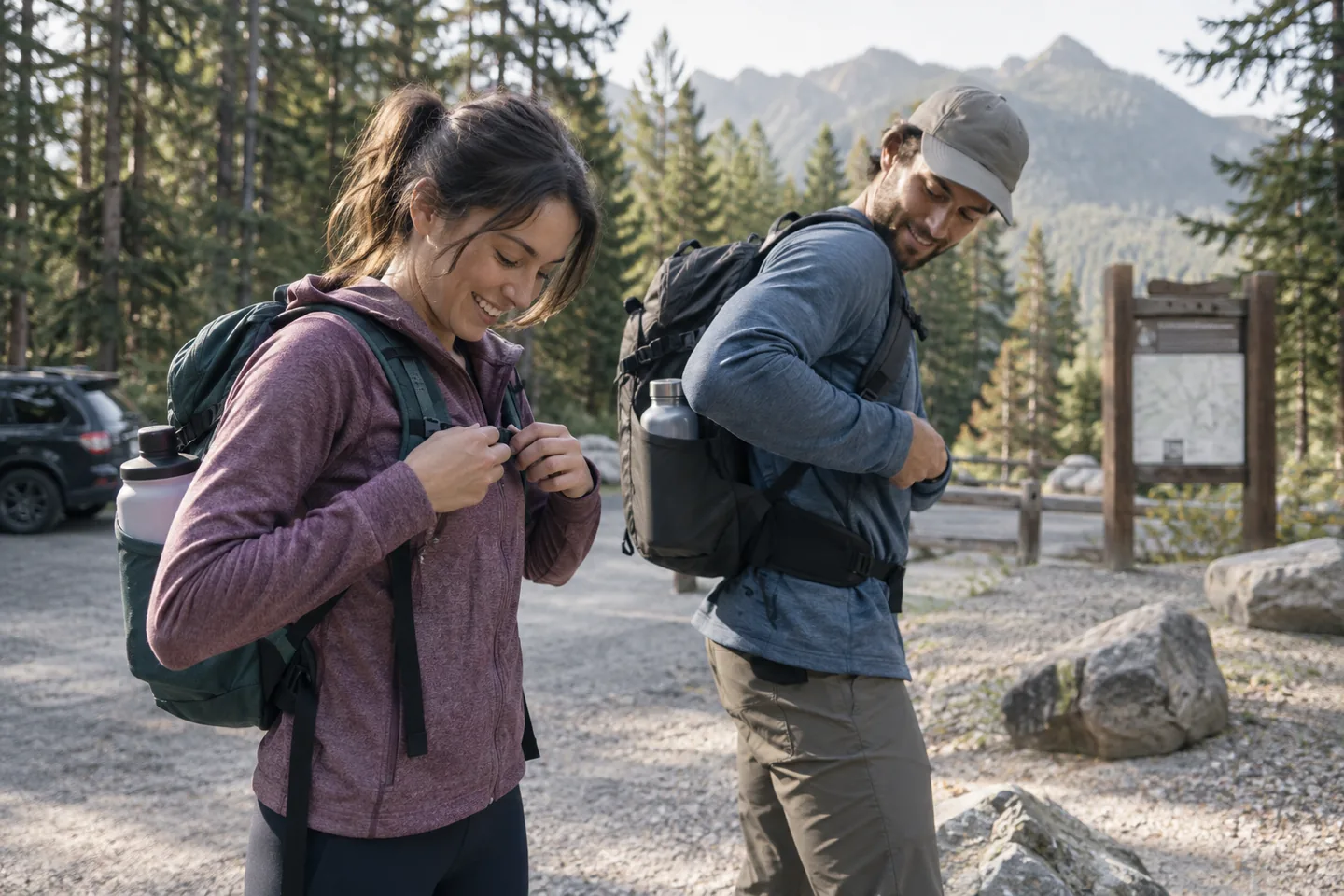
A short hike can still include a cool start, a warm climb, lunch, and a surprise shower. A useful daypack keeps water easy to reach, separates damp layers, and fits the wearer well enough that snacks are not the only reason to stop.
The short list
| Pick | Best for | Tradeoff |
|---|---|---|
| Osprey Talon 22 Best technical daypack | Active hikes with varied terrain | The structured fit and features are more than a casual park walk requires. |
| Gregory Nano 20 Best simple hiking value | Day hikes and travel crossover | A lighter harness is less supportive with dense loads. |
| REI Co-op Trail 25 Best versatile capacity | Extra layers, family gear, and longer park days | The extra space encourages overpacking on short outings. |
Our picks, by real-life fit
1. Osprey Talon 22
Best for: Active hikes with varied terrain
An adjustable harness, supportive hip belt, and trail-focused pockets suit people carrying a full day’s essentials.
The tradeoff: The structured fit and features are more than a casual park walk requires.
2. Gregory Nano 20
Best for: Day hikes and travel crossover
A streamlined 20-liter class design provides hydration compatibility and useful external storage without a heavy frame.
The tradeoff: A lighter harness is less supportive with dense loads.
3. REI Co-op Trail 25
Best for: Extra layers, family gear, and longer park days
A practical panel-loading layout and slightly larger capacity make shared snacks and layers easier to organize.
The tradeoff: The extra space encourages overpacking on short outings.
How to choose without overbuying
The highest specification is rarely the most useful specification. Start with the repeated situation that made you search for this product, then use these rules to remove options that create more work than they save.
- Fit the torso before choosing color.
- Carry actual water during a try-on.
- Choose pockets for the items you reach while walking.
- Leave room for a weather layer.
A routine that makes the purchase work
Products earn their place through habits, storage, and maintenance. This simple setup is more valuable than adding another accessory on day one.
- Pack dense items close to the back.
- Tighten shoulder straps, then adjust the hip belt and sternum strap.
- Air the pack after sweaty or wet outings.
What we would not do
- Hanging heavy bottles far from the body.
- Relying on a rain cover without protecting electronics inside.
- Starting a remote hike without route and weather checks.
We base product statements on current published information and make an editorial inference about who each option fits. We do not claim hands-on testing, durability measurements, or performance benchmarks that ChoicesVera did not conduct.
The bottom line
Fit varies by torso and body shape. Try the pack with realistic weight, and follow local guidance for water, weather, and emergency supplies. Compare the return policy and current price before ordering, especially when fit, feel, or compatibility cannot be confirmed from specifications alone.
Frequently asked questions
Is 20 liters enough for a day hike?
Often for one adult in mild conditions, but weather, water needs, group gear, and safety equipment can require more.
Do I need a hip belt?
It improves stability and load transfer for heavier carries; a simple strap may be enough for light park use.
Reservoir or bottles?
Reservoirs encourage sipping; bottles are easier to monitor and refill. Many hikers use both.
Sources and fact check
Product details last checked 2026-09-17. Prices and availability change; ChoicesVera does not publish fixed price claims on this page.